

News Details
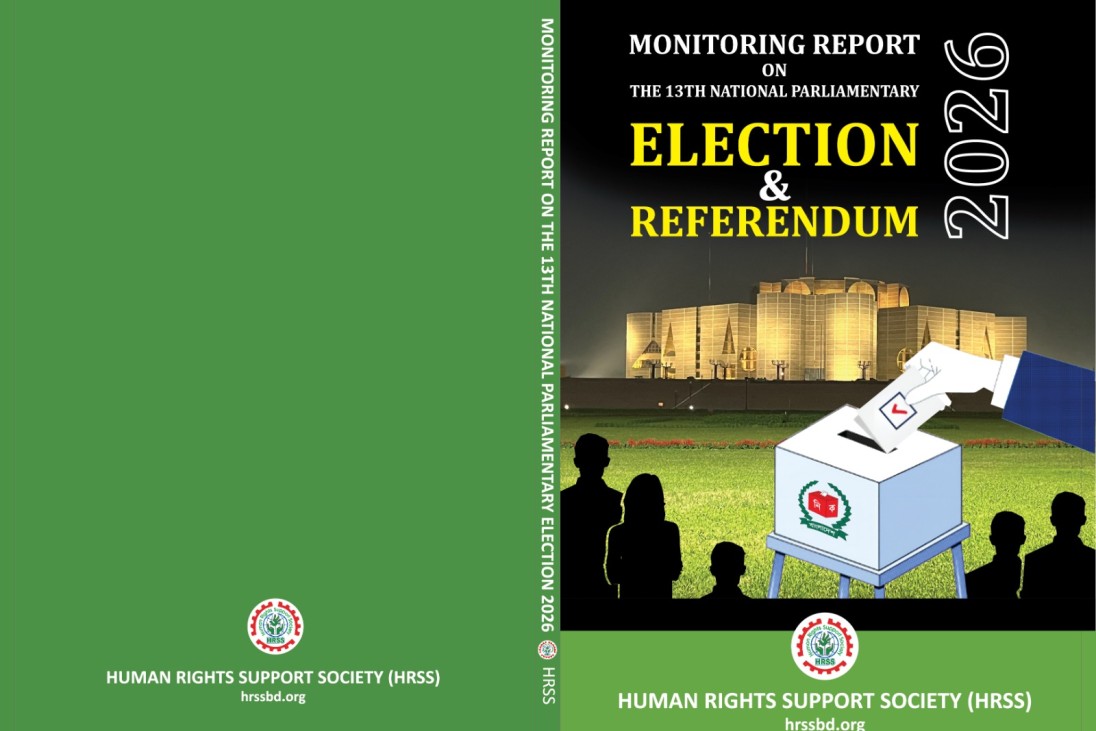
Monitoring Report on the 13th National Parliamentary Election & Referendum 2026
Executive Summary
Following the August 2024 mass uprising, the interim government led by Dr. Muhammad Yunus undertook a series of reforms focused on justice, institutional stabilization, and electoral credibility in preparation for the 13th National Parliamentary Election and the accompanying referendum. These efforts contributed to noticeable procedural improvements in electoral administration and polling management. Overall, the election was conducted in a comparatively more orderly and credible manner than previous cycles. However, the broader electoral environment remained deeply affected by sustained political violence, intimidation, and periodic breakdowns of law and order across all phases of the electoral process.
The election phase (October 2025 to March 2026) witnessed widespread instability across the country. More than 700 violent incidents were recorded during this period, resulting in 14 fatalities and at least 2,762 injuries, including a minimum of 51 gunshot-related cases. In addition to human casualties, extensive property damage occurred, with over 600 structures, including residential houses, vehicles, business establishments, and election offices, vandalized, looted, or set on fire. These incidents reflect the intensity of political competition and the deepening polarization of political actors at the local level, particularly in constituencies with high electoral stakes.
Following the announcement of the election schedule, the security situation deteriorated further as political mobilization intensified. During this pre-poll phase alone, 254 violent incidents were documented, resulting in 5 deaths and more than 1,650 injuries, including at least 24 gunshot cases. More than 200 properties and election-related facilities were damaged or destroyed. This phase was characterized by confrontational campaigning, clashes between rival political supporters, and increased pressure on local electoral environments, indicating heightened political contestation ahead of polling day.
On polling day itself, a total of 393 incidents were reported, encompassing both violent clashes and electoral irregularities. These included ballot stuffing, obstruction and expulsion of polling agents, voter intimidation, and disruptions at polling stations in several constituencies. While many polling centers operated in a relatively peaceful and orderly manner, these incidents highlight localized administrative and procedural vulnerabilities that affected the integrity and uniformity of the electoral process in specific areas. The presence of irregularities also raised concerns regarding enforcement capacity and the effectiveness of real-time electoral oversight mechanisms.
The post-election period emerged as the most volatile phase of the entire electoral cycle. At least seven fatalities were reported across districts, including Munshiganj, Bhola, Bagerhat, Patuakhali, Brahmanbaria, and Mymensingh. In addition, more than 270 violent clashes occurred between supporters of the Bangladesh Nationalist Party (BNP), Jamaat-e-Islami, and independent candidates across at least 30 districts. These clashes resulted in approximately 560 injuries and widespread destruction of around 400 homes and political offices. The escalation of violence after the announcement of results underscores the fragility of dispute resolution mechanisms and the absence of effective containment strategies for post-electoral tensions.
Overall, the 13th National Parliamentary Election and Referendum demonstrated measurable procedural improvements and succeeded in delivering a broadly credible polling outcome in many areas. Nevertheless, the electoral process was significantly undermined by sustained violence and insecurity across all phases—pre-election, election-day, and post-election. The particularly severe escalation of post-poll clashes highlights deep-rooted political polarization, weak conflict management mechanisms, and continued mistrust among political actors. These dynamics present serious challenges for electoral stability, governance legitimacy, and democratic consolidation during the ongoing political transition period.